Dongzhi Festival: China’s Winter Solstice Explained
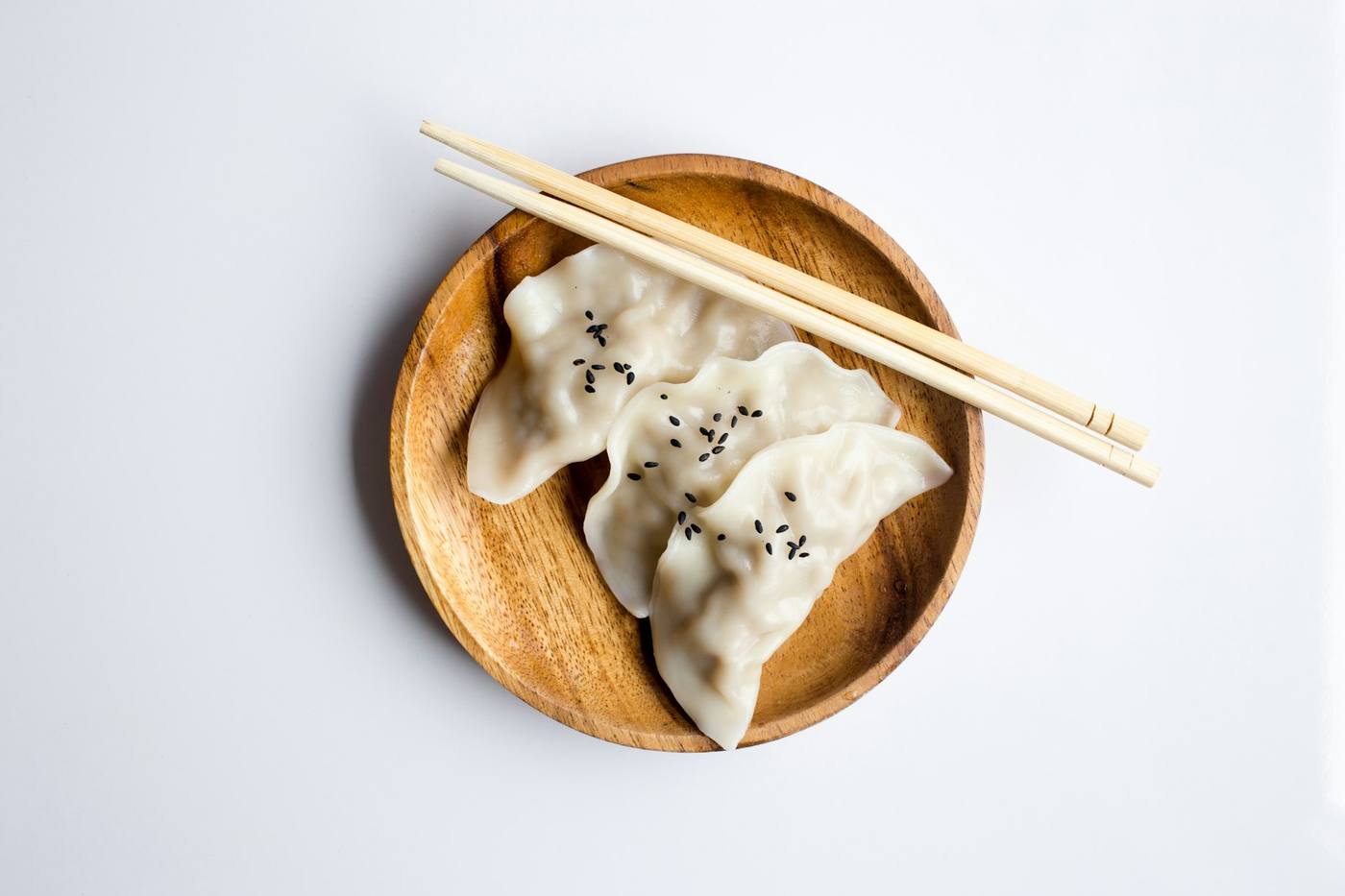
In December 2024, a week before Winter Solstice, I walked into a Yonghui supermarket near Guomao in Beijing looking for dumpling wrappers. Not in the flour aisle. Not in the frozen bags either. A clerk in a green apron pointed me two aisles over, past the chili sauces, to a refrigerated case stacked with round white skins labeled 饺子皮. Under them: minced pork and napa cabbage in clear trays, already faced forward. That night I understood how Dongzhi arrives for a lot of city people. The store rearranges itself for one family meal.
Dongzhi (冬至) is China’s Winter Solstice. In 2026 it falls on Tuesday, 22 December. You still go to work. Schools run. Trains keep ordinary schedules. Families treat the evening as a seasonal check-in: the longest dark is done, and the cold stretch ahead has a name.
This page is for visitors and expats who keep hearing the word and want the date, the food, and what actually moves on the street. No fortune-telling. No tour packages.
Quick facts for 2026
- Date: Tuesday, 22 December 2026. The Hong Kong Observatory lists the Winter Solstice solar term at 04:50 Beijing time (UTC+8).
- Public holiday on the mainland? No. Dongzhi is not on China’s statutory holiday list.
- What people eat: Northern tables lean toward jiaozi (dumplings). Southern households and many overseas Chinese families lean toward tangyuan (glutinous rice balls).
- Larger frame: Dongzhi is one of the 24 solar terms, a traditional Chinese way of tracking the sun through the year. UNESCO inscribed that system on its Intangible Cultural Heritage list in 2016.
When is Dongzhi?
Dongzhi follows the astronomical winter solstice, so the Gregorian date drifts a little. Most years it lands on 21, 22, or 23 December. For 2026, Chinese calendar references and the HKO solar-term table agree on 22 December.
If you are coordinating a meal with relatives abroad, watch the clock, not only the holiday name. China uses UTC+8. Someone in Beijing may be eating on Tuesday while a cousin in California is still finishing Monday evening.
Dongzhi is a solar term (节气). It is not a lunar-month festival like Mid-Autumn or Spring Festival. That is why its Western date stays relatively steady while Chinese New Year jumps around the calendar.
A short history without the museum voice
In classical Chinese thought, Dongzhi is the turn when yin peaks and yang starts to return. Put more simply: after the longest night, daylight lengthens again. Han-dynasty records (roughly 206 BCE–220 CE) already treat the day as an official occasion. Officials exchanged winter greetings. Households marked the season.
A Song-dynasty memoir, Dongjing Meng Hua Lu (The Eastern Capital: A Dream of Splendour), describes Winter Solstice in the capital as a day people prepared for all year: new clothes, food, ancestor rites, “just like New Year.” Later courts held formal winter ceremonies. Daily life now is quieter than that court calendar. The seasonal reset feeling remains.
Older people may mention shu jiu (数九), “counting the nines”: nine blocks of nine days after the solstice, a folk countdown through the coldest weeks. Some families still fill a simple chart day by day. Weather-watching with a cultural sticker on it.
Will anything close on 22 December 2026?
No. Mainland statutory holidays cover New Year’s Day, Spring Festival, Qingming, Labour Day, Dragon Boat, Mid-Autumn, and National Day. Dongzhi is not among them. On that Tuesday, banks open, museums keep weekday hours, and the subway rush looks like any other workday.
What shifts is quieter. Grocery floors tip toward dumpling wrappers and tangyuan packs. Short solstice greetings ping across WeChat groups. If you have one free evening that week, dinner with Chinese friends around Dongzhi tells you more than hunting for a parade that mostly does not exist for this day.
In December 2025, a Shanghai colleague left our office at 5:40 sharp. She waved at the rest of us still at our desks and said she had to help her mother wrap jiaozi before seven. Nobody argued. That is the festival in practice: a normal workday with a family meal attached.
North vs south: dumplings or tangyuan?
Food is the custom foreigners meet first. The north–south split is a friendly national argument, not a law.
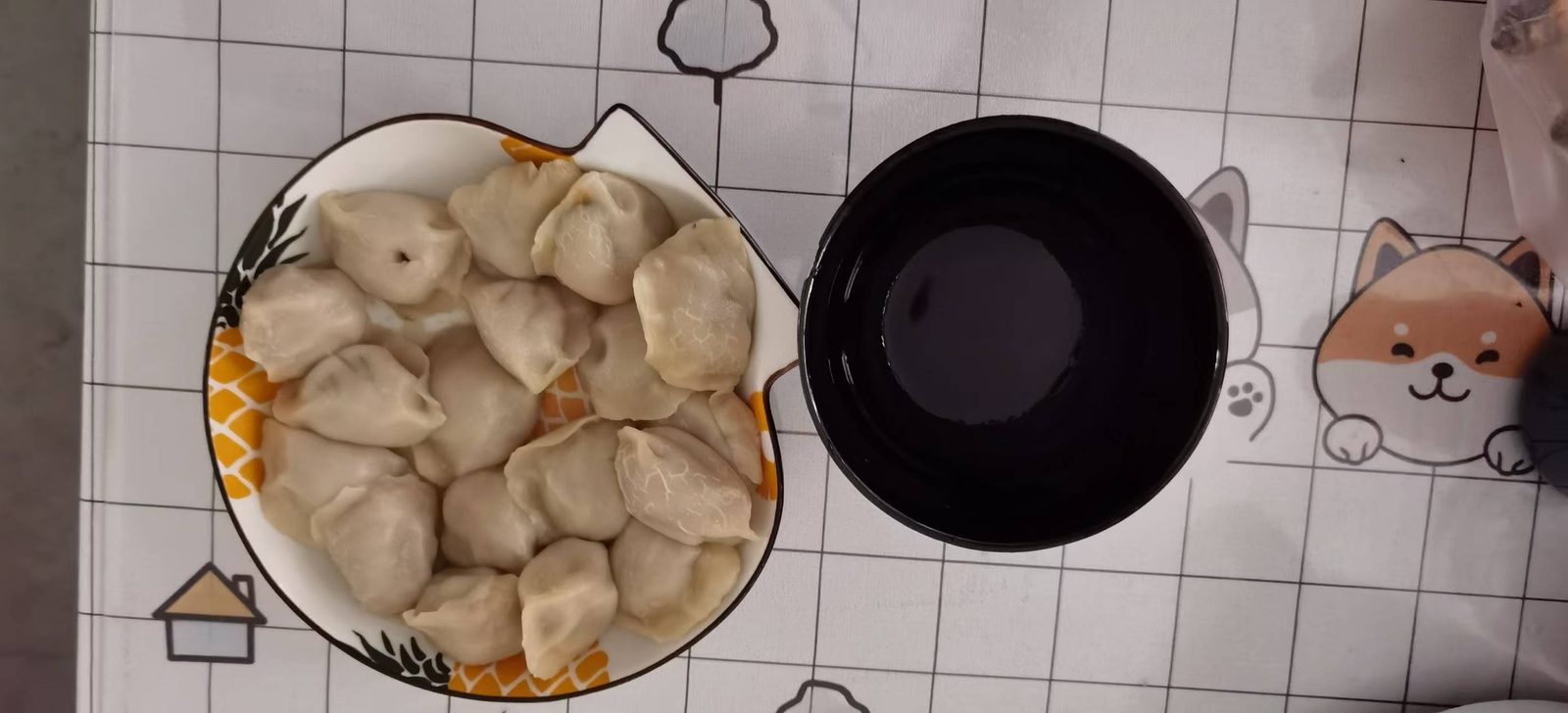
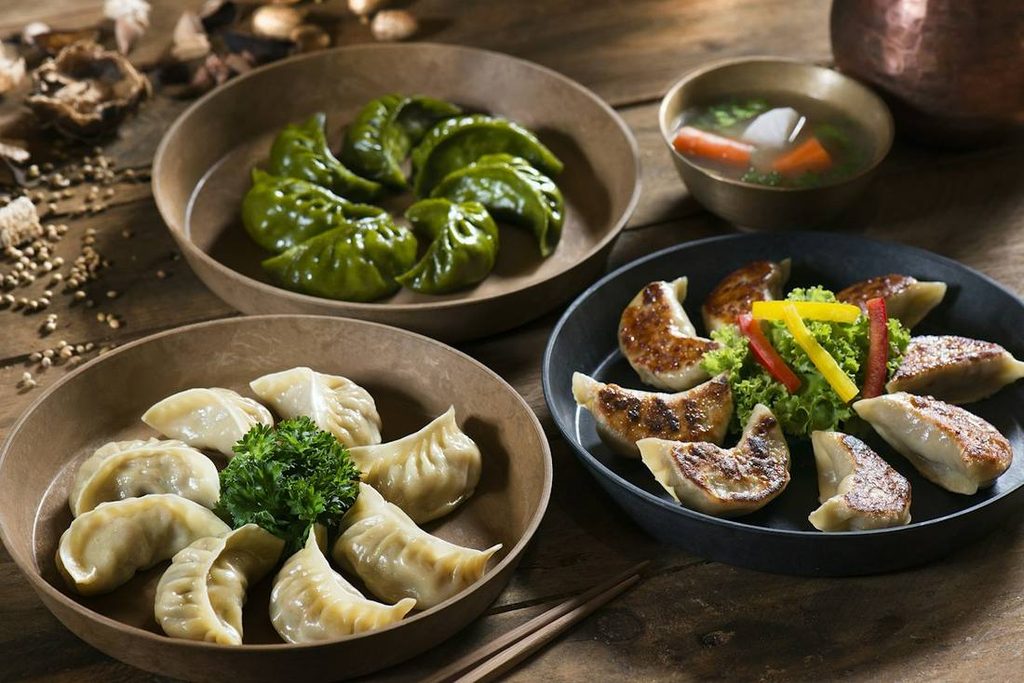
Northern China: jiaozi (饺子). Families wrap together or order at dumpling shops. A common joke says if you skip dumplings on Dongzhi, your ears will freeze. People say it the way English speakers say “feed a cold.” Nobody is writing a medical paper. Folk stories link ear-shaped dumplings to the physician Zhang Zhongjing, who (in legend) served warming filled dough to people with frostbitten ears. Treat that as folklore.
Southern China and many overseas communities: tangyuan (汤圆). Soft glutinous rice balls, plain or filled with black sesame, peanut, or red bean, in hot water or a light sweet soup. The round shape stands for reunion. In some homes, eating solstice tangyuan also means you are “one year older” in a folk sense. A joke next to the bowl, not a legal birthday.
I once sat through a twenty-minute debate, winter 2023 in a rented flat in Shanghai, between a friend from Harbin and another from Guangzhou. The Harbin friend wanted pork-and-cabbage jiaozi and called sweet tangyuan “dessert pretending to be dinner.” The Guangzhou friend insisted sesame tangyuan was the whole point of the night. They ordered both from a nearby shop and kept arguing while the bags steamed. That compromise is more useful than any national rulebook.
Elsewhere you may see mutton soup in parts of the north and east, sweet rice wine around Suzhou, or a fuller reunion dinner in Guangdong and Fujian, sometimes with ancestor offerings. Ask your hosts what their family does.
What you will notice as a visitor
Most of the day looks ordinary. Offices open. The subway is crowded. The “festival” shows up in small pockets, not as a city shutdown.
The clearest signal is food shopping. In mainland stores that week, wrappers often sit in a refrigerated case near sauces or produce, not where a Western shopper expects “pasta skins.” Tangyuan boxes migrate toward the entrance. That Yonghui case near Guomao in 2024 is still the picture I carry: skins up front, filling underneath, clerk already tired of being asked.
Colleagues may leave on time for family dinner, the way my Shanghai coworker did at 5:40. Teachers treat the solar term like daylight saving talk elsewhere: calendar first, culture second. In Singapore and Malaysia, and in diaspora communities with southern roots, tangyuan nights often feel clearer than any mainland “festival tourism” packaging.
Dongzhi stays at the table. Red clothing and fireworks belong more to Spring Festival. If you are invited, bring something simple and shareable. Fruit is usually safe. Skip clocks, sharp objects, and sets of four unless you already know the household’s rules. Our etiquette notes cover those gift taboos in more detail.
Where Dongzhi sits on the winter map
| Marker | 2026 / early 2027 (approx.) | Feel |
|---|---|---|
| Start of Winter (Lidong) | early November 2026 | First winter-food talk; some northern dumpling meals |
| Dongzhi | 22 Dec 2026 | Longest night; dumpling / tangyuan focus |
| Laba | mid-January 2027 | Laba porridge; talk turns toward Spring Festival |
| Spring Festival (Year of the Goat) | 6 Feb 2027 | The big travel-and-reunion holiday |
Dongzhi is a family meal near the longest night. Spring Festival is the national travel crush that follows a few weeks later.
How to join without performing
Buy a bag of frozen jiaozi or supermarket tangyuan. Perfect folds are optional.
Ask before photographing ancestor offerings. Some families like the curiosity. Others keep rites private.
Learn one greeting: Dongzhi kuàilè (冬至快乐), “Happy Winter Solstice.” Low pressure. Warm enough.
Book a dumpling restaurant if you want a special meal. Popular houses get busy at dinner. The city does not shut down.
Easy mix-ups
Dongzhi vs Chinese New Year. Different calendars, different scale. New Year moves on the lunar calendar and brings national holidays. Dongzhi sticks near 21–22 December and does not.
Dongzhi vs Christmas. They can land in the same week. Many young urban Chinese celebrate both socially. They are still different festivals.
Solar term vs travel-blog fireworks. Some blogs inflate Dongzhi into a street spectacle. For most people it is dinner and a seasonal nod.
FAQ
Is Dongzhi Festival 2026 a public holiday in China?
No. Mainland offices and schools run a normal Tuesday schedule on 22 December 2026.
What time is the Winter Solstice in China in 2026?
The Hong Kong Observatory lists it at 04:50 Beijing time (UTC+8) on 22 December 2026.
Do northern and southern China eat the same Dongzhi food?
Often no. North leans jiaozi; south and many overseas families lean tangyuan. Local households vary. Ask.
When is Spring Festival after Dongzhi 2026?
Spring Festival 2027 falls on 6 February, Year of the Goat.
Next reading
For more seasonal guides, browse our Festivals section. For the shared-table meal many people eat on cold nights, see Chinese Hot Pot for Beginners. If February travel or office life is on your mind, start a Chinese New Year 2027 / Year of the Goat note early. Search interest rises weeks before the holiday itself.
About the author
I’m Alvin. I write chinas365.com for foreign readers who want China culture explained from street level, not brochure copy. The supermarket hunts, office exits, and dinner arguments in this piece come from years of living those winters here.
Sources
- Hong Kong Observatory — 24 Solar Terms in 2026 (PDF) — Winter Solstice 22 Dec 2026, 04:50 Hong Kong Time
- Hong Kong Observatory — Date and Time of the 24 Solar Terms
- UNESCO — Twenty-Four Solar Terms (inscribed 2016)
- timeanddate — Dongzhi Festival
2 Comments