Chinese Hot Pot for Beginners: How to Order and Share Without Stress
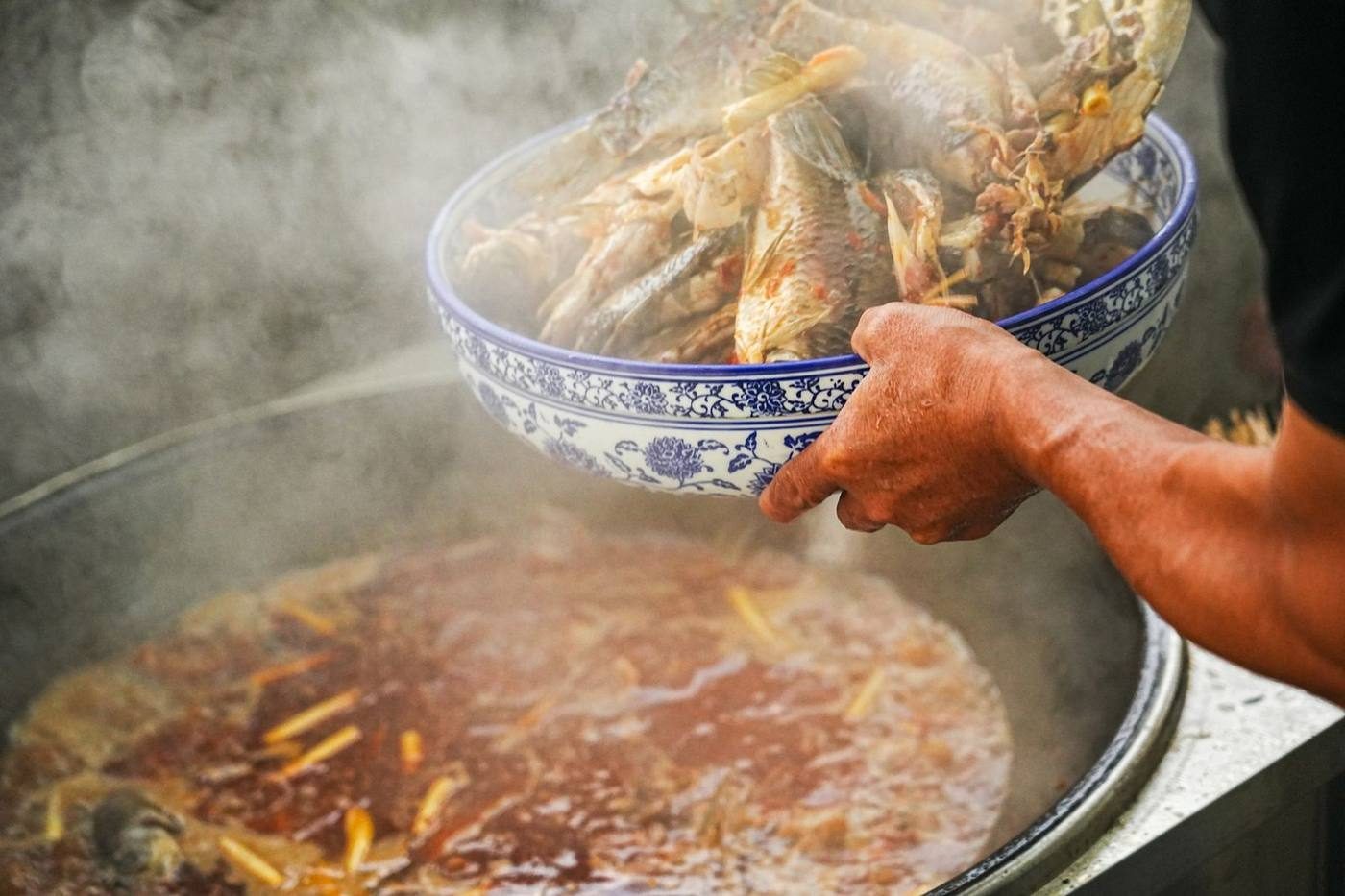
The first time I took two foreign coworkers to a busy hot-pot hall in Chengdu, we froze at the tablet menu. One coworker pointed at a red pot icon and said, “Spicy, right?” The waitress, patient but fast, tapped yuānyāng before we could dig a deeper hole. Split pot: chili on the left, clear bone broth on the right. That single choice saved the night. Everyone ate. Nobody pretended to enjoy heat they could not handle.
Chinese hot pot (huǒguō, 火锅) looks loud from the doorway: a boiling pot in the middle, raw plates stacked high, chopsticks crossing. The meal itself is simple. You simmer broth. You cook what you like. The “rules” are mostly about sharing space and not dumping the whole table into the pot at once.
This page is for tourists, new expats, and anyone staring at a picture menu. Broth choice, dipping sauce, cook order, and a few manners notes follow.
What you need before the pot boils
- Format: Shared metal pot of simmering broth. Raw ingredients go in at the table. You pull them out when cooked.
- Order flow: Broth first (mild, spicy, or split), then meat, seafood, tofu, vegetables, and staples such as noodles or dumplings.
- Sauce: Often DIY at a sauce bar (sesame paste, garlic, soy, vinegar, chili oil). Some houses bring a house mix.
- Pace: Cook in rounds. Thin meat is done in seconds. Dense roots need minutes.
- Bill: Usually one check for the table. Say early if you need a separate bill.
What “hot pot” means here
Hot pot is a meal format, not one fixed recipe. Chongqing and Sichuan shops are famous for numbing-spicy (málà) broths. Northern and coastal places lean milder: clear bone broth, tomato, mushroom, seafood. Beijing’s instant-boiled mutton (shuàn yángròu) is a close cousin: thin lamb in a simple copper pot.
You do not need a regional history lecture before dinner. Answer four questions out loud when you sit:
1. Mild, spicy, or half-and-half?
2. What proteins does the table want?
3. Who is walking to the sauce station?
4. Any allergies, no-pork, or no-shellfish needs?
Service gets smoother once those are clear.
Ordering without freezing at the menu
Broth. Look for yuānyāng (鸳鸯) or “split pot”: one side spicy, one side clear. It is the default peace treaty for mixed groups. Pure spicy broths can be fierce. If you are unsure, start split. Tomato and mushroom broths work well for first-timers who dislike chili.
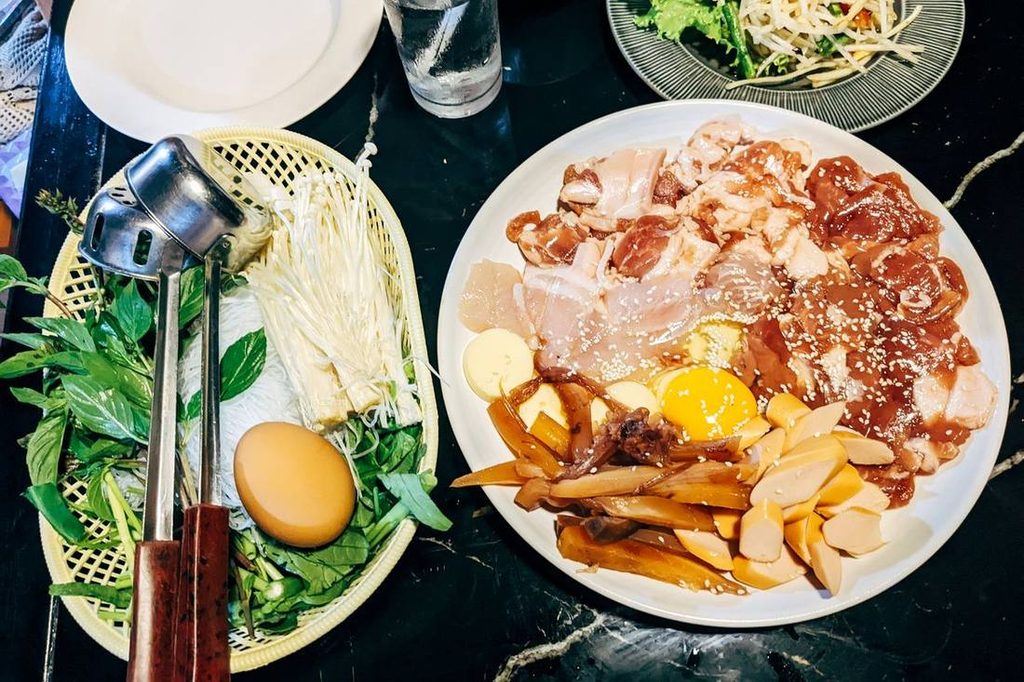
Meat and seafood. Thin-sliced beef or lamb is beginner-friendly. It cooks fast and is hard to ruin. Meatballs and fish balls forgive timing mistakes. Shrimp, squid, and tripe are fine once you know your timing. If the menu shows “hand-cut” thick beef, ask how long it needs. Thick slices stay pink longer than paper-thin cuts.
Tofu, vegetables, mushrooms. Tofu skins, frozen tofu, potato, lotus root, leafy greens, enoki and oyster mushrooms fill the pot and balance heavy meat. Leafy greens go in late so they do not turn to sludge.
Staples last. Noodles, frozen dumplings, or rice often come at the end. A huge noodle nest early steals broth and makes fishing for meat annoying.
Minimums and lunch sets. Some places charge per person for broth. Lunch sets can cost less than evening à la carte. Photo menus help. Point freely. Staff expect it.
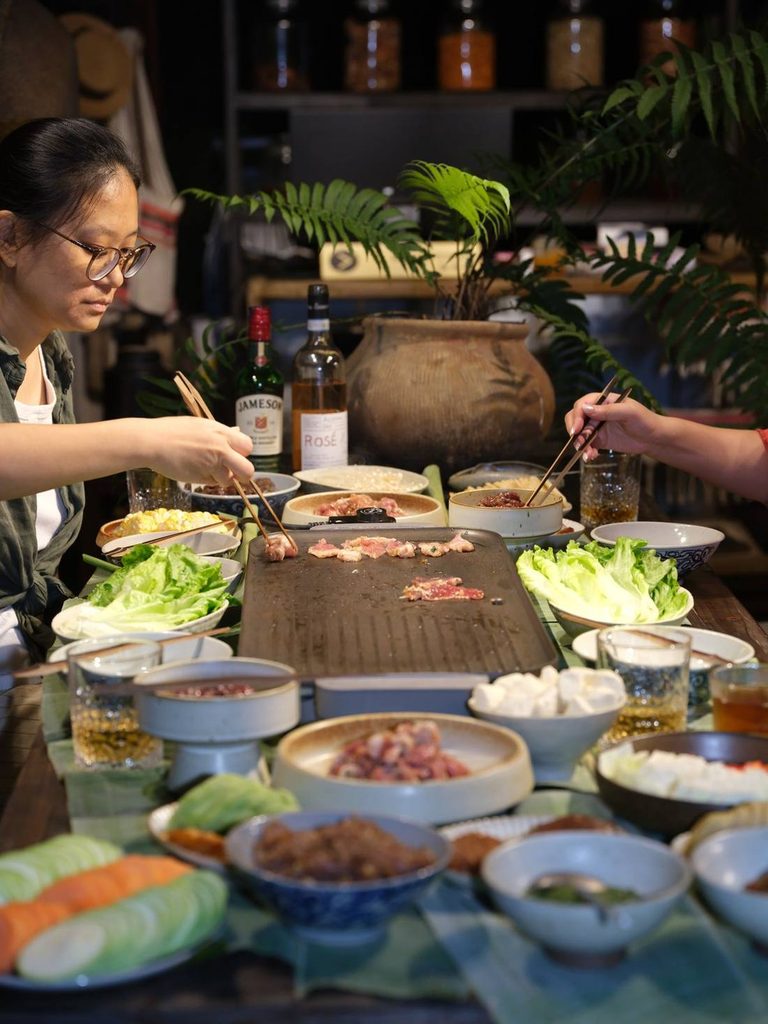
A sauce bar story (and a mix that works)
At that Chengdu table, one coworker built a bowl that was almost pure chili oil. He coughed through the first three bites, then quietly walked back to the sauce counter and started over: sesame paste loosened with a spoon of hot broth, a splash of soy, minced garlic, a little black vinegar, scallion on top. He copied the next table’s ratio more than any printed sign. That is a valid method.
A simple mix for most people:
- Sesame paste or peanut sauce as the base (loosen with broth or hot water if it is stiff)
- Soy sauce for salt
- A little black vinegar for brightness
- Minced garlic
- Chopped scallion or cilantro
- Chili oil only if you still want heat on top of a spicy broth
Sichuan and Chongqing houses sometimes push garlic, oil, and green peppercorn harder and downplay sesame paste. Cantonese-style pots may offer satay or seafood soy dips. When unsure, copy a neighboring bowl, then adjust.
Do not double-dip raw meat into a shared sauce bowl. Use your own dish. If you only have one bowl, keep a clean corner for cooked bites.
What to cook first
Think in layers. Do not dump everything at once.
| Ingredient type | Rough timing | Tip |
|---|---|---|
| Thin beef / lamb | 5–15 seconds once the broth boils again | Swish, watch the color change, lift |
| Meatballs / fish balls | Until they float and stay firm | Cut one open the first time you try a brand |
| Shrimp | Turns pink and opaque | Do not walk away |
| Tripe / thicker offal | Longer; ask staff | Aim for chewy, not rubber |
| Root vegetables | Several minutes | Start earlier in the meal |
| Leafy greens / bean sprouts | Under a minute | Last in, first out |
| Noodles | Often 1–3 minutes | End of meal |
Wait for a rolling boil before the first meat goes in. After you add a cold plate, give the pot a moment to return to a boil before you judge doneness.
Use communal serving chopsticks or spoons if the restaurant provides them. If not, many groups use the reverse ends of their own chopsticks to move food from the pot to their bowl. Match your hosts.
Manners that matter
Do
- Let elders or guests of honor start at a formal dinner.
- Announce allergies early. Shellfish and peanut sauces show up everywhere.
- Keep personal chopsticks out of deep communal broth when a serving utensil is available.
- Pace spicy bites with plain rice, tofu, or the mild side of a split pot.
Don’t
- Fish forever for the “best” piece while others wait.
- Stir the pot like a washing machine.
- Assume everyone drinks beer. Tea and soft drinks are normal.
- Shame someone for using a fork or a strainer spoon. Tools exist for a reason.
Myths worth dropping
At the end of that Chengdu night we still had a red lake of unused spicy broth. The waitress glanced at it, shrugged, and asked if we wanted the leftover cooked meat bagged. Half the pot went cold. Nobody scored our table on broth completion.
Later the same waitress admitted she usually eats from the mild side when she clocks out. “The chili is for customers who ask for it,” she said, tapping the divider again like a reminder. Split pots exist because locals use them too.
And summer does not cancel the meal. A Chengdu friend once dragged me out in July, shirt already damp on the walk over, because “the AC is strong enough.” The hall was packed. Condensation ran down the windows while every burner stayed lit.
Regional notes (short)
Chongqing / Sichuan. Red broth, dried chilies, Sichuan peppercorn. Numbing heat builds. On our Chengdu night, the tablet’s “微辣” (micro-spicy) still made one coworker’s eyes water within two bites of the red side. Ask how spicy that label really is. Scales vary by shop.
Northern lamb pots. Clean broth, vinegar-garlic dips, focus on meat quality. A friend who hates chili took me to a Beijing shuàn yángròu place one February; we swirled thin lamb for an hour and never touched a chili jar. Calm entry if heat scares you.
Coastal / seafood pots. Clear or herbal broths, prawns, shellfish, fish slices. In a Qingdao shop last autumn the waiter pulled the shrimp plate back and said wait until the broth reboiled. Freshness and timing matter more than spice talk here.
Tomato, sour-spicy, or mushroom “group” broths. Common in chain restaurants aiming at mixed tables. Taste a ladle before you commit the whole group.
For night one, pick a well-reviewed local chain and learn the mechanics. Deeper regional posts can wait.
Phrases that help
You do not need fluent Chinese.
- Yuānyāng guō: split spicy/mild pot
- Bù là / wēi là / zhōng là / tè là: not spicy / mild / medium / extra spicy
- Méiyǒu xiāngcài: no cilantro
- Duì … guòmǐn: allergic to… (then name the food)
- Mǎidān: bill, please
Pointing at the menu plus a smile still works in most casual shops.
Budget and practical notes
Groups of 3–5 fit one pot well. Two people can share. Six may want a wider table or a second burner.
Lunch is often cheaper and quieter than the 7 p.m. rush.
Dry pot (gān guō) is related but different: wok-fried, little broth. Read the menu line twice.
Cooked leftovers can go home. Do not store half-raw meat that sat warm on the table.
For kids: mild broth, quick-cook meats, a strainer spoon. Keep chili oil out of reach.
A first-time order for 3–4 people
- 1 yuanyang broth
- 2 plates thin beef or lamb
- 1 plate meatballs
- 1 tofu (frozen or soft)
- Mushrooms + one leafy green + potato or lotus root
- Optional shrimp
- Noodles at the end
- Sauce bar visit before the pot boils
That set teaches timing without drowning the table in plates.
One more scene from that Chengdu night: we put the noodles in too early, right after the first beef. The strands drank half the mild side, tangled around every meatball, and turned the clear broth cloudy. The waitress laughed, brought a small side of plain noodles later, and said next time wait until people are full of meat. We did. The second round was better.
Next reading
Once hot pot feels normal, look at chopstick etiquette at shared tables and how toasting works at louder dinners (Everyday Etiquette lane; temporarily under Festivals until that category exists). For a quiet winter custom with dumplings or tangyuan, see Dongzhi Festival. Different custom. Same gather-around-heat instinct.
Quick FAQ
Is Chinese hot pot one fixed recipe?
No. It is a shared cooking style: a simmering broth, plates of raw ingredients, and sauces you mix yourself. Regions and restaurants change the broth and the add-ins.
Mild, spicy, or split pot — what should a beginner pick?
If anyone at the table is spice-shy, ask for a yuanyang (split) pot or start mild. You can still order spicy sides later; you cannot un-spice a single pot once it is roaring.
Who cooks the meat, and how long?
Usually you do, in the shared pot. Thin slices often need under a minute; denser items take longer. Watch the table’s pace rather than a timer app, and do not leave raw meat lounging on the communal chopsticks.
Do I need a restaurant, or can I cook at home?
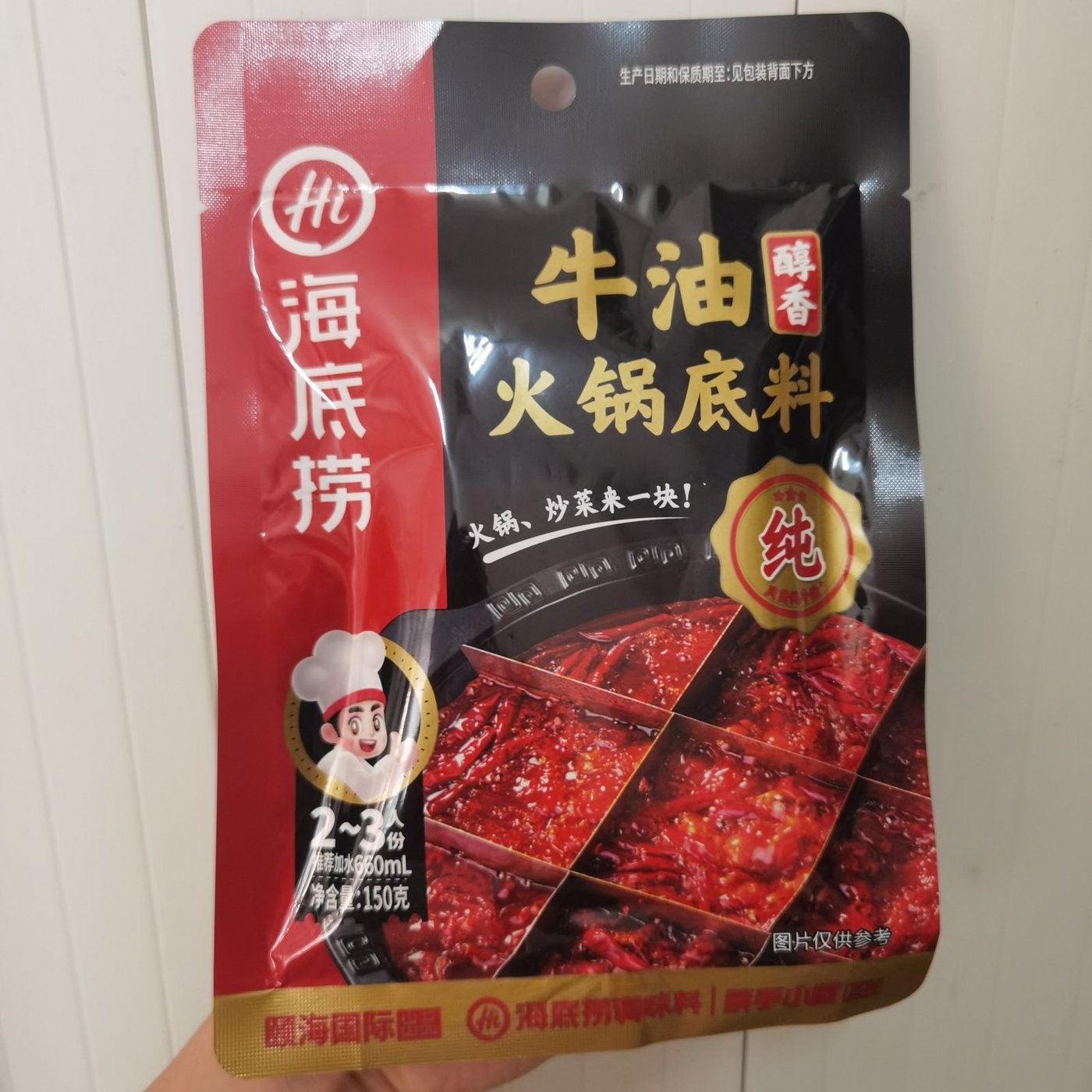
Both work. At home, a labeled commercial base (for example a purchased Haidilao beef-tallow pack) is a common shortcut — caption it as packaged product, not as a restaurant floor shot.
Sources
- Common restaurant and home practice for yuanyang (split) pots and table sauces across northern and southwestern Chinese hot pot service.
- Brand packaging for Haidilao “醇香牛油火锅底料” 150g base used as a home shortcut (purchased product photo on this page).
- Cross-check regional notes against mainstream Chinese food writing on Chongqing/Sichuan spicy broths vs milder northern styles — treat menus as local, not universal law.
About the author
I’m Alvin. I write chinas365.com for foreign readers learning China culture from real tables — Chengdu, Chongqing, and Beijing included — not from slogans. The tablet freeze, sauce-bar rebuild, and noodle mistake in this guide are meals I sat through with coworkers who were as new to the pot as I once was.
2 Comments